It is a clear signal with global reach: With the latest developments, the European Union has once again massively intensified its economic and political pressure on Russia. The measures that have been in effect since June 15, 2026, go far beyond traditional sanction lists and no longer affect only direct Russia-related business.
New sanction wave: Who is now in focus
In several implementing regulations, the EU has newly added 34 individuals and 47 organizations to the sanctions list. The target groups are clearly defined:
- Actors in Russia’s military-industrial complex
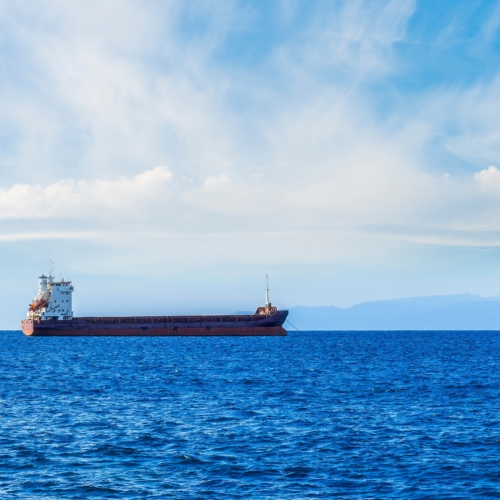
- Supporters of the “shadow fleet” that circumvents sanctions
- Networks of propaganda and hybrid influence operations
- Those responsible for human rights violations
- Companies and individuals from third countries that support the system
In doing so, the EU is not only increasing pressure on Russia itself, but also on those who indirectly contribute to stabilizing the system.
From direct to indirect risk: The new reality for companies
The real impact of this package becomes apparent, however, beyond the headlines: sanctions increasingly affect indirect business relationships.
With this approach, the EU is pursuing a strategic objective: it is systematically closing loopholes in global supply and financial chains. For companies, this means: The risk no longer begins only with direct Russia-related business; it begins already at the second or third level of connection.
Particularly in complex international networks, a link to sanctioned actors can quickly emerge, often without immediate visibility.
Supply chains under pressure: Where companies must look closely now
Existing supply chains
Even established partnerships come into focus. Changes to the sanctions list can cause previously uncritical business partners to suddenly become problematic.
Export business to risk countries
Trade via third countries – for example as an intermediary – is increasingly being monitored. The suspicion: circumvention transactions toward Russia.
Cross-border payment flows
Financial transactions can inadvertently create connections to sanctioned actors, particularly through complex banking or payment networks.
What must be done now: The new compliance standard
The consequence is clear: companies must significantly strengthen their compliance processes. This includes in particular:
- Regular sanctions list checks – not just for new customers
- Analysis of beneficial owners (UBOs)
- Verification of end users
- Transparency in payment flows
- Control of distribution and dealer structures
Especially where goods are distributed via third countries, the following applies: possible re-export to Russia must be actively excluded.
The compliance landscape is shifting fundamentally
With the latest sanctions, the EU is demonstrating that it is willing to think globally – and regulate globally. Anyone who does not continuously review their business partners, supply chains, and payment structures risks more than just fines.
The real challenge lies less in the sanctions themselves, but in their invisible reach along international networks. Now, what matters most for companies are: transparency, control, and rapid adaptability.
Please feel free to contact our experts to secure your position as quickly as possible.